Health and Safety Policy for House Removals
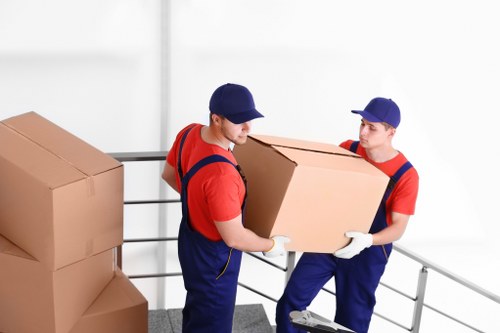 This health and safety policy for house removals sets out the principles, responsibilities, and working practices that help protect people, property, and the environment during every stage of a home move. House removals involve physical handling, vehicle movement, packing activities, and working in occupied properties, so safety must remain central to all operations. The purpose of this policy is to reduce risk, prevent injury, and maintain a professional standard of care throughout each removal.
Policy Statement
We are committed to providing a safe working environment by identifying hazards, assessing risk, and applying appropriate control measures. This includes safe lifting practices, suitable equipment use, clear communication, and effective supervision. All staff involved in home removals are expected to follow safety procedures, report concerns promptly, and work in a manner that protects themselves, colleagues, clients, and the public.
General Responsibilities
 Managers are responsible for planning work safely, ensuring employees are competent, and making sure equipment and vehicles are maintained. Team members must take reasonable care of their own safety and that of others, follow instructions, and use protective equipment correctly. Clients are also encouraged to support safe working by keeping access routes clear and advising of any known hazards in advance.
Risk Assessment and Planning
Every house move should begin with a suitable risk assessment. This process considers staircases, narrow corridors, fragile items, heavy furniture, poor lighting, uneven pathways, parking limitations, and weather conditions. Where additional risks are identified, the move plan must be adjusted to reduce exposure. Planning is especially important in domestic removals, where properties may contain pets, children, or valuable belongings requiring extra care.
Where necessary, specialist equipment such as trolleys, sliders, straps, blankets, and ramps should be selected to reduce manual handling strain and damage risks. Staff must not overload equipment or attempt tasks beyond their capability. If an item is too heavy, awkward, or unstable, it should be moved using additional support or alternative methods rather than rushed handling.
 The middle stage of a removal service often presents the highest level of physical activity, so communication is essential. Clear instructions should be given before lifting, carrying, loading, or placing items. One person should coordinate the movement of large or bulky objects to avoid confusion. Good teamwork helps prevent collisions, dropped items, and unnecessary strain.
Safe Working Practices
All employees must use proper manual handling techniques by bending the knees, keeping the load close to the body, avoiding twisting, and asking for assistance when needed. Breaks should be taken where tasks are prolonged or physically demanding. Removing household goods can involve repetitive movement, so workers must remain alert to fatigue and report any discomfort early.
Personal protective equipment should be worn where required and may include gloves, safety footwear, high-visibility clothing, and protective clothing for wet or dusty environments. Equipment inspections must be completed regularly, and any damaged item should be removed from service until it is repaired or replaced. Vehicles used for household removals must be checked for roadworthiness, secure loading, and safe access for loading and unloading.
Fire safety, electrical safety, and property protection are also important. Cables, heaters, and appliances should be handled carefully, and any hazards in the property should be reported before work begins. If there is a risk of broken glass, sharp edges, damp floors, or restricted access, staff should slow down and take additional precautions. Safe practices help ensure that moving home safely remains the standard at all times.
Incident Reporting and Emergency Response
 Any accident, near miss, injury, or property damage must be reported as soon as possible so that action can be taken and recurrence prevented. First aid arrangements should be in place, and workers must know how to respond if someone is hurt, becomes unwell, or is exposed to a hazardous situation. Emergency routes and procedures should be understood before work starts.
In the event of severe weather, vehicle breakdown, fire, or access failure, the move should be paused until it is safe to continue. No worker should feel pressured to continue if conditions are unsafe. Delays may be necessary, but protecting people and property always takes priority. This approach supports reliable and responsible removals safety across all jobs.
Training, Review, and Continuous Improvement
 Training is an essential part of this policy. Staff should receive instruction in manual handling, safe loading, equipment use, emergency procedures, and hazard awareness. Refresher training should be provided when work practices change or when incidents indicate a need for improvement. The policy should be reviewed regularly to ensure it remains effective, current, and relevant to the demands of house relocation services. By maintaining high standards and promoting a strong safety culture, the business helps ensure each move is carried out with care, control, and professionalism.