Office Relocation Services in House
Moving an office is never just about boxes and vans. It is about keeping your business running, protecting equipment and records, coordinating staff, and making sure the new workspace is ready on time. That is why Office Relocation Services in House are designed to do much more than transport furniture from one building to another. For local businesses in House, a carefully planned relocation can reduce downtime, limit disruption to customers and staff, and help everyone settle into the new space with less stress.
Whether you are moving a small professional practice, a growing team, a shared workspace, or a larger commercial unit, the right local office moving team understands the practical realities of the area. Access roads, parking restrictions, stairwells, narrow corridors, mixed-use buildings, and tight loading windows all affect how an office move should be handled. A local crew familiar with House can plan around these challenges and keep the process efficient from the first survey to the final placement of desks, chairs, IT gear, and storage units.
Businesses often search for office relocation help when they need a reliable, organised, and flexible service that fits around trading hours. That is exactly where local knowledge matters. Office relocation is not a one-size-fits-all job; it needs a tailored approach based on the size of the office, the type of equipment involved, the building layout, and the time you have available to complete the move.
Local Office Moving Support for Businesses in House

Local office relocation services are built around the needs of real businesses in House. Many offices in the area operate from commercial units, converted buildings, upper-floor suites, retail back offices, and home-based business premises that have grown into something bigger. Each setting comes with different challenges. A top-floor office might need careful handling for heavy furniture, while a street-level workspace may require fast loading to avoid blocking access or affecting neighbouring premises.
Commercial customers usually need the move completed with minimal interruption. Residential customers, such as consultants or small operators working from home offices, may need help transferring a work setup into a new house, a garden office, or a larger workspace. In both cases, a local moving team can adapt the service to suit the job, from a full-scale relocation to the moving of selected office items only.
For many customers, the biggest concern is time. A business move can affect appointments, deliveries, remote teams, and customer service. That is why practical planning is essential. Experienced local movers can help break the job into steps, so the relocation is managed in a controlled way rather than rushed at the last minute.
What Office Relocation Services Usually Include

When you arrange office moving support in House, the service can be shaped to match your needs. Some customers want full packing and unpacking. Others prefer a transport-only solution after they have already prepared equipment and files. A good local provider will explain the options clearly so you can choose the level of support that suits your business, budget, and timeline.
Typical office relocation services may include the following:
- Initial discussion of the move and the items involved
- Site review or move planning where needed
- Packing of office furniture, files, stationery, and equipment
- Safe handling of IT equipment and sensitive items
- Disassembly and reassembly of desks, shelving, and workstations
- Labelled loading and unloading to support an organised setup
- Transportation between old and new premises
- Placement of items in the correct rooms or zones
- Optional unpacking and basic setup assistance
In-house office relocation services can also cover internal moves within the same building or site. If your department is changing floor, if you are reconfiguring a workspace, or if you are moving out of one suite into another in House, internal relocation support can save time and reduce strain on your staff.
Why Local Knowledge Matters in House
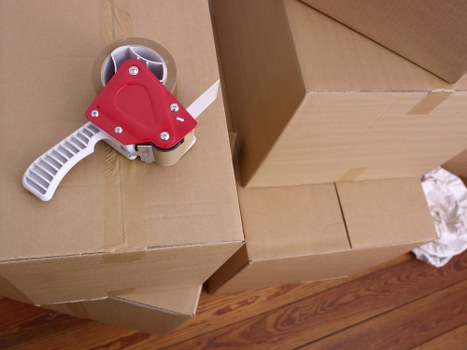
A local office move often seems straightforward until you start considering the details. Is there convenient parking close to the entrance? Will a lift take large cabinets? Are there loading restrictions during business hours? Can the building handle a moving van at the front door, or will equipment need to be carried from a nearby bay or side street? A local mover who works regularly in House is more likely to understand these conditions and plan accordingly.
House includes a mix of property types, and that variety affects office relocation. Older buildings may have narrow staircases, uneven floors, or limited lift access. Newer commercial spaces may have security entry systems or time-specific access rules. Shared offices may need the move completed without disturbing other tenants. A local team can adjust the route, crew size, vehicle choice, and timing to suit the property rather than forcing a standard approach.
There is also value in having a team that can work with local schedules. Some businesses in House prefer early morning moves, evening moves, or weekend relocations to reduce disruption. A nearby service provider is usually better placed to work around those practical time windows and the realities of local traffic patterns.
How the Office Relocation Process Works

Although every office move is different, the process normally follows a clear sequence. That structure helps reduce uncertainty and makes it easier for staff to prepare. A professional service should explain what happens at each stage and how you can support the move without taking unnecessary risks with computers, documents, or valuable furniture.
Here is a simple outline of how the process often works:
- Enquiry and move details – You share the basics of the office, the current location in House, the destination, and the type of items that need moving.
- Survey or planning discussion – The team reviews access, item volume, special handling requirements, and timing.
- Preparation – Boxes, labels, packing materials, and a move plan are arranged so everyone knows what happens next.
- Packing and disassembly – Furniture and equipment are prepared for safe transport.
- Loading and transport – Items are loaded in an organised way, then moved to the new office or workspace.
- Unloading and placement – Boxes and items are placed where they belong, helping the new office become operational faster.
- Setup support – Desks, shelving, and selected items may be reassembled or positioned according to plan.
Good planning makes a noticeable difference. If your team knows which items are being moved first, where the computers will go, and what should be kept accessible on day one, the relocation becomes much less stressful.
What Makes a Successful Office Move

Successful office relocation is usually the result of careful coordination rather than heavy lifting alone. The best outcomes come from a balanced mix of preparation, clear communication, and sensible handling. When those parts are in place, the move feels controlled rather than chaotic.
Some of the most important success factors include:
- Clear move planning so staff know what to expect
- Proper packing materials for files, monitors, and fragile items
- Labelled boxes and furniture to support quick placement
- Protection for floors, doorways, and communal areas
- Safe lifting and loading methods to protect people and property
- Efficient transport timing to reduce office downtime
- Flexible handling of tricky access points such as stairs, ramps, and small lifts
Many local customers appreciate that a professional service can handle both the physical move and the coordination around it. If a business is relocating from one part of House to another, the move often involves more than the office contents. It may also involve storage, temporary workspace arrangements, and phased moving of departments or teams.
Office Types We Can Help Move in House
Not every office looks the same, and not every relocation should be handled in the same way. House has a mix of business settings, and each one can benefit from a practical moving plan. That is why office relocation services are most useful when they are adaptable and based on the real layout of the site.
Common office and business premises that often need relocation support include:
- Small offices for consultants, accountants, and professional services
- Shared offices and co-working spaces
- Retail back offices and administrative rooms
- Clinic, studio, or practice offices with sensitive equipment
- Commercial units with multiple departments
- Home offices being moved into a separate workspace
- Internal office reshuffles within the same building
In each case, the move should be shaped to the items being handled. A desk-only move is different from a relocation with filing cabinets, large printers, server equipment, and archive storage. A local team can plan the right level of support instead of treating every move as if it were identical.
Preparing Your Team for Moving Day
Staff preparation can make the relocation smoother and less disruptive. Even when the move is being handled by professionals, the office still benefits from a simple preparation routine. This helps reduce confusion, protects important items, and ensures the first day in the new space starts well.
Consider this practical checklist before moving day:
- Back up important digital files in advance
- Separate personal items from work equipment
- Label cables, chargers, and peripherals clearly
- Pack confidential documents securely
- Empty desks and cabinets where requested
- Identify fragile or high-value equipment for special handling
- Tell staff which items they should prepare themselves
- Keep essential items available for the first day after the move
It helps to create a simple point of contact internally, even for small office moves. That way, any questions about access, building rules, or room labels can be answered quickly. This is especially useful if the relocation in House involves multiple teams or different departments moving at once.
What to Expect from Packing and Handling
Packing is one of the most important parts of any office move. The way equipment is packed affects how safely it travels and how quickly it can be set up again. Computers, monitors, filing systems, printers, and delicate accessories should be handled with care, and the packing approach should match the item rather than using a generic box-and-tape method.
For many local customers, the aim is not just to get everything from one place to another; it is to make sure the items arrive in a usable condition. That means boxes should be labelled clearly, furniture should be protected, and sensitive items should be separated from general office stock. If there are archive files, legal documents, or client records involved, extra care and clear organisation are especially important.
Some customers choose to pack in stages. Others prefer the moving team to do most of the packing so the office can keep operating until later in the process. A good local service in House should be able to support either approach and help you decide what makes most sense for your business.
Pricing Factors for Office Relocation in House
Customers often want to know what affects the cost of an office move. While exact pricing depends on the details of each job, there are several common factors that influence the final quote. Understanding these helps you compare options more effectively and choose a service that fits your needs.
Typical pricing factors include:
- Size of the office and number of items being moved
- Distance between the old and new location
- Amount of packing, dismantling, and reassembly required
- Access issues such as stairs, lifts, tight entrances, or parking limitations
- Timing requirements, including out-of-hours or weekend moves
- Special handling for IT equipment, archives, or fragile items
- Need for temporary storage or phased relocation
It is usually best to request a quote based on accurate information. That may include the number of desks, chairs, cabinets, boxes, and any special items. The more accurate the details, the easier it becomes to plan the correct crew size and vehicle arrangement for your House office relocation.
Why a Local Quote Is Often More Practical
A local team can often provide a more realistic estimate because they understand the area, access conditions, and types of buildings commonly involved. That helps avoid surprises on the day. For many customers, the real value is not only in the move itself but in the planning that sits behind it.
If you are comparing services, ask what is included in the quote. Some moving jobs may include packing materials, furniture dismantling, and reassembly, while others may focus on transport only. Clarifying this upfront makes it easier to choose the right option and prevents misunderstandings later on.
Why Choose a Local Company for Office Relocation Services in House
Choosing a local company offers several practical advantages. A nearby team is often more responsive, more familiar with House properties, and better able to adapt to last-minute changes. That matters when office moves are tied to lease dates, refurbishment schedules, or business deadlines.
There is also a real convenience factor. A local mover can usually visit the site more easily, understand the route between buildings, and plan around nearby parking, loading, and access restrictions. If your office move involves several trips, phased relocation, or multiple stops, local knowledge becomes even more valuable.
Beyond convenience, local service often feels more personal. You are dealing with people who understand the kinds of businesses operating in House and the practical pressures they face. That means the move is more likely to be shaped around your operations rather than the other way around.
Areas Covered Around House
Office relocation support in House can often extend into surrounding neighbourhoods and nearby business areas. This is useful for customers moving between offices locally, shifting from a town-centre location to a more accessible unit, or relocating to a nearby commercial estate or mixed-use development.
Areas commonly covered may include:
- Central House and nearby business streets
- Residential areas with home offices and small professional setups
- Commercial estates and office clusters around House
- Mixed-use buildings with upper-floor workspaces
- Neighbouring local districts and adjacent business hubs
If your move involves nearby locations, a local service can often plan the route efficiently and keep the relocation within a manageable schedule. This is particularly helpful where access or parking is tighter at one end of the move than the other.
Frequently Asked Questions
How far in advance should I book an office move?
It is best to book as early as you can, especially if you have a fixed moving date or need the relocation completed outside normal business hours. Early booking allows time for planning, packing preparation, and any access arrangements that may be needed at either property.
Can you move offices with computers and sensitive equipment?
Yes, office relocation services can usually include careful handling of computers, monitors, printers, and other sensitive equipment. These items should be packed and labelled properly so they can be transported and set up safely at the new location.
Do you handle internal office moves as well as full relocations?
Yes, many businesses need internal office relocation support, such as moving departments to a different floor, reorganising workstations, or shifting items within the same building. This can be especially helpful in shared or multi-use premises in House.
Can the move be done outside working hours?
In many cases, yes. Out-of-hours or weekend moving can help reduce disruption to staff and customers. This is particularly useful for offices that need to stay operational during the working week.
What should we prepare before moving day?
Start by backing up important files, labelling equipment, securing documents, and identifying any fragile or high-value items. If the move includes packing or dismantling, check which parts of the office the moving team will handle and which items staff should prepare themselves.
Can you help with both office and home business moves in House?
Yes. Many local customers need support for both commercial offices and home-based workspaces. Whether you are moving a small business out of a house into commercial premises or relocating a home office to a new property, the service can be adjusted to suit.
Making the Move Easier for Your Business
Office relocation is often a milestone for a business. It can mean growth, a better location, more room, or a more practical layout. But even a positive move can become stressful if the logistics are not handled well. The purpose of a local office moving service is to make that transition smoother, safer, and easier to manage.
House businesses benefit from local support because it combines practical planning with area knowledge. That means fewer surprises, better timing, and a relocation that works around the real conditions of the building and the street outside it. When the move is handled properly, your team can focus on reopening, resuming service, and settling into the new space.
If you are planning a move soon, request a free quote and talk through the details of your office, your timings, and any access concerns. The earlier the move is planned, the easier it is to keep the day organised and the business on track. Contact us today to discuss your office relocation in House and arrange the support you need.
Ready to Book Office Relocation Services in House?
If you need a dependable team for Office Relocation Services in House, the best next step is to outline what you are moving, where you are moving from, and what level of help you want. Whether it is a single office, a growing business unit, or an internal reconfiguration, a local service can help you plan the move in a way that fits your schedule and your premises.
Book your service now or request a quote to get started. With the right preparation and a team that understands local access conditions, your office move can be handled with far less disruption than you might expect.